
Benefits of Investing in Commercial Real Estate in Coastal Markets
Category: Markets
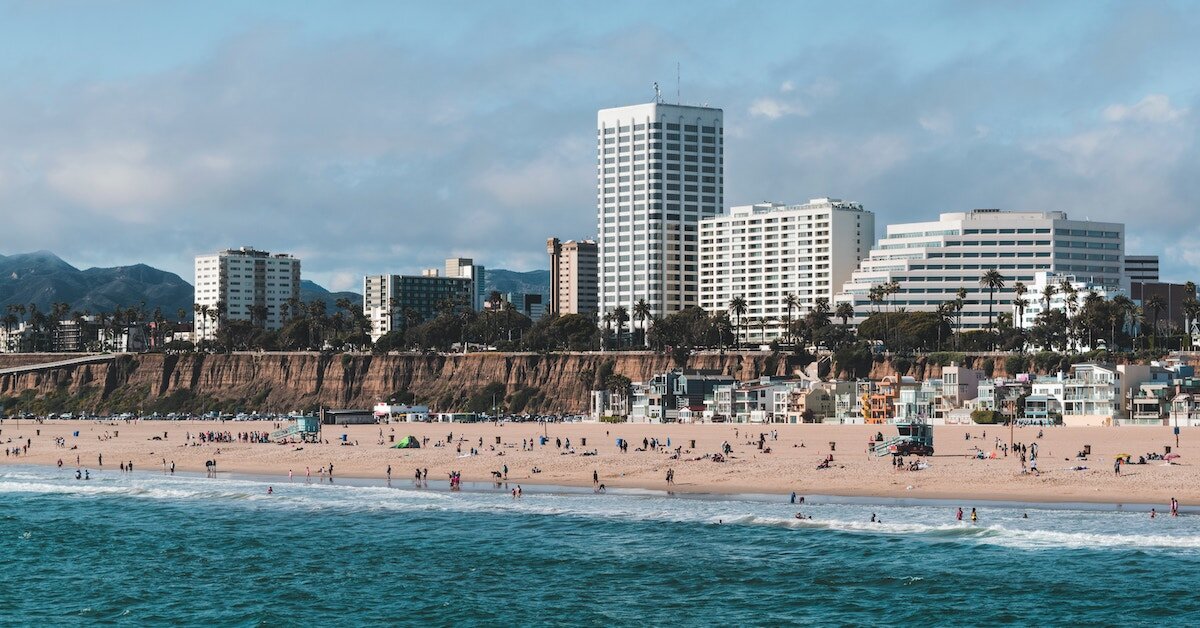
As long as the real estate industry has existed, it’s been a truism that coastal real estate is where the real money is. People want to live near the water, and businesses are eager to cater to people who have the means to live on the beach.
That notion has come into question in recent years, as rising seas, extreme weather, and flooding driven by climate change have threatened coastal real estate. Some researchers have found that contrary to popular belief, the most desirable city in the U.S. is a landlocked one, and many pundits have even predicted a collapse in the prices of coastal real estate.
So what’s true? Although climate change is a major wild card for commercial real estate properties in coastal markets, and due diligence is always necessary, these investments’ long term outlook remains relatively rosy. Let’s explore some of the most significant and fundamental benefits of investing in coastal markets.
It’s Where the People Are
Although the east and west coasts make up a tiny percentage of land area in the U.S., around 40% of the population lives in coastal areas. Many types of businesses need to be near their customers, and that’s why there’s so much demand for commercial buildings in coastal areas. This article notes that demand for medium-sized commercial buildings is highest in Miami, Southern California, New York-New Jersey, and the Pacific Northwest. It’s no coincidence that all those markets are on the coast and are major population centers.
Notably, many of these commercial buildings are used by “last mile” suppliers affiliated with Amazon, meaning that demand is likely to be very solid, or even increase, as people in these densely-populated markets shop more and more online.
Above-Average Appreciation
It’s well known that residential real estate in coastal markets appreciates more than properties in non-coastal markets. That applies to commercial properties because the primary driver of that high appreciation — land scarcity — is universal. Land is far more valuable on the coast because there’s less of it.
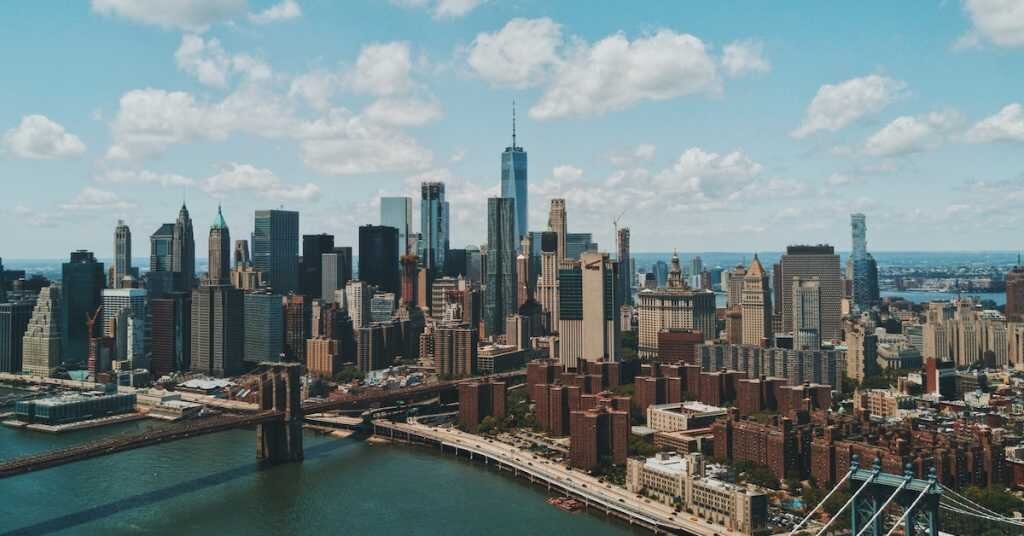
Owning, say, a warehouse or office spaces in Miami or Manhattan is always going to be a better investment than a warehouse or office building in sprawled-out, land-cheap cities like Atlanta, Washington, D.C., or Chicago, where vacancies are high, and developers can always build on the edge of town.
Access to Affluent Markets and Consumers
You can see how all these benefits are connected. Since demand is higher and land is scarcer in coastal markets, prices are elevated. And since prices are elevated, it takes more money to buy into these communities.
The end product? Most coastal communities have a much higher average household income than inland communities. In high-end coastal markets, where prices surged — in some markets, by nearly 100% year-over-year — single-family homes start in the mid-seven figures. That’s an incredibly lucrative market for businesses to tap into, and commercial properties can expect to demand proportionally higher rents.
Great Value Retention
Coastal real estate very, very rarely loses value. No amount of flooding and hurricanes seem to be able to dent the appeal of living near the water. Even as some analysts have warned of an imminent price collapse in coastal markets due to climate change, prices have actually skyrocketed as commercial real estate investors have poured into coastal markets with investment loans and high-tech real estate investment apps.
These are stable, well-organized communities with large tax bases. They have a lot to lose — and a lot to protect. Think of it as a positive sunk-cost effect; people who’ve paid $5 million for their beach houses will be highly motivated and probably have the financial means to protect their investments.
Risks Might Be Exaggerated
As we mentioned earlier, there’s a lot of talk right now about the threat posed by climate change to coastal real estate, both residential and commercial. The math, after all, seems airtight — the ocean is rising at a rate of around an eighth of an inch per year, meaning that before long, coastal real estate will inevitably be underwater real estate. Throw in complications involving extreme drought and its effects on water consumption, and it’s easy to conclude that many of these areas are doomed.
But a study done at Yale University points out two major flaws in these pessimistic assumptions. First, it turns out that the water level isn’t the only thing moving. Land moves too — sometimes upward, and sometimes downward. It’s usually due to factors like groundwater loss or tectonic movements in places it’s moving down. In places, it’s moving up, it’s due to land “rebounding” as heavy glacial sheets of ice melt.
That’s a tough break for real estate on land that’s sinking. The study highlights Galveston, Texas, as an example of a place where the land is actually moving downward as sea levels move upward.
But in other places, the coast is moving up at the same rate, or even faster, than the sea. In Juneau, Alaska, for example, the land is outpacing the water, so even as sea levels on the Alaskan coast have steadily risen, coastal real estate has increased its distance from the water. So there’s more nuance to assessing the threat of rising sea levels, and many coastal areas considered “threatened” may be getting safer.
Second, rising sea levels won’t have their most adverse impacts on coastal real estate for several decades. And by then, much of the real estate in threatened areas won’t exist anymore.

The Bottom Line
We tend to think of real estate as permanent — and, compared to other investments, it is. But consider the formula for calculating depreciation. You can claim depreciation tax benefits on a commercial real estate investment for 39 years, at which point it’s technically valueless in the eyes of the IRS.
That’s probably not true in the real world, but a 39-year-old commercial property will likely need a lot of work to bring it up to contemporary standards. It will probably make more sense to raze the property and build something new, something incorporating all the latest flood mitigation technologies — features that, in the near future, will likely be heavily subsidized by the government. At the same time, coastal cities are already working on seawalls and other measures to hold back rising sea levels, meaning that seaside areas will likely be somewhat protected and preserved — along with your investment.
This isn’t to say that the adverse effects of climate change are in any way exaggerated or unreal. Extreme weather and increased flooding are genuine risks. But a fixation on worst-case scenarios can prevent us from seeing achievable mitigations and solutions. And if the market starts to price in environmental catastrophe without considering all the ways we might avoid the worst of its effects, smart, optimistic stakeholders could be positioned to capitalize on historically great investment opportunities.
Curious about your property’s exposure to climate risk factors? Check out Crexi Intelligence for real-time environmental projections.

Ben Mizes is the Co-Founder and CEO at Clever Real Estate, the nation’s leading real estate education platform for home buyers, sellers, and investors.
